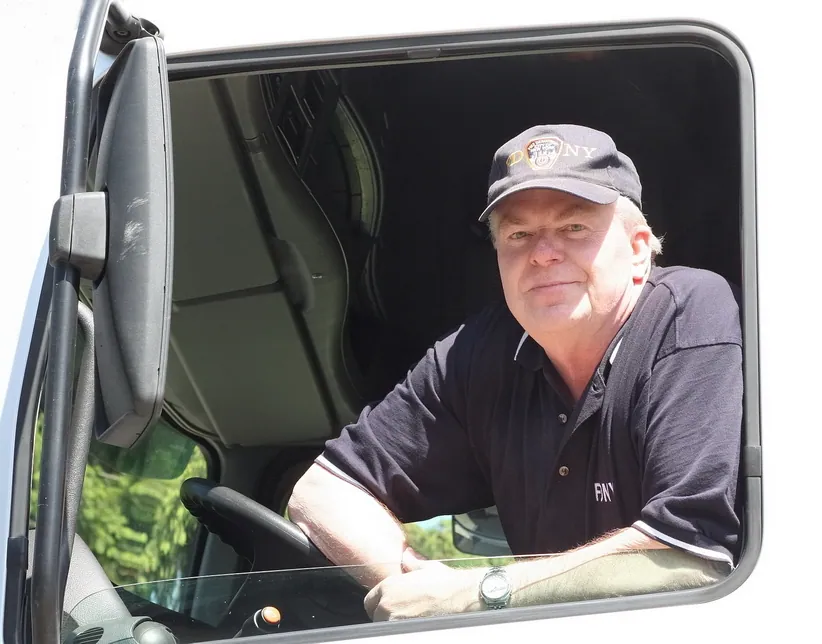
In 2003 I had to give up my self-employment, because Revell no longer wanted to add large truck models to its range and I had to close my own label, – Lassen project –, because it was no longer profitable. So I went back to what I had never forgotten how to do: driving a truck.
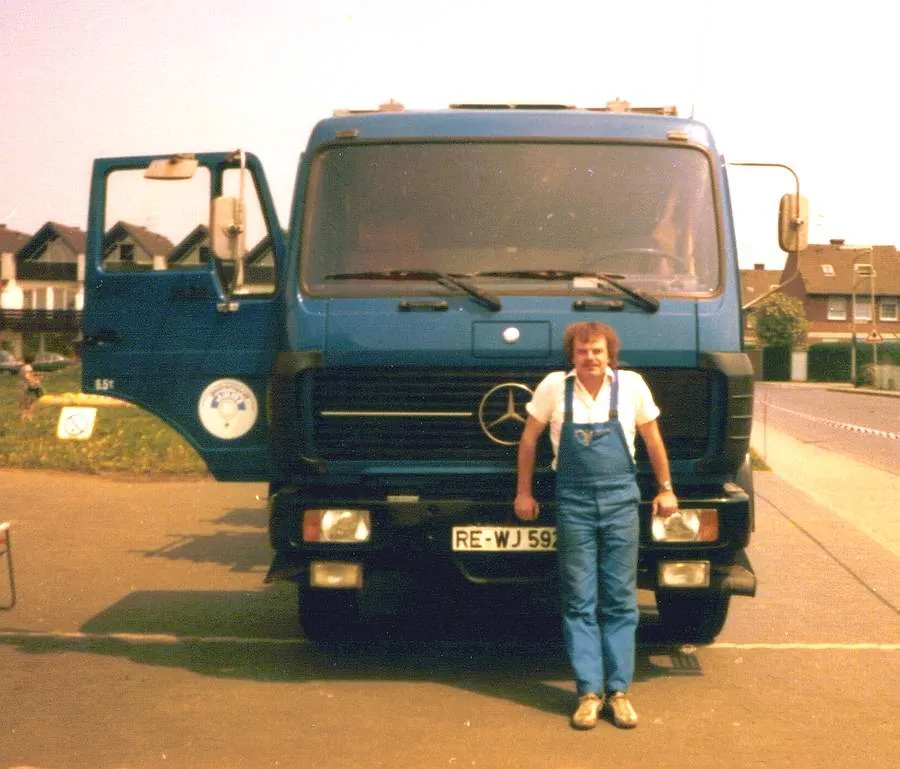
But even before 2003 I had spent ten years on the road with an articulated truck, from 1979 to 1989 at Jani Gastransport in Marl. At the time the company's head office was in Seevetal near Hamburg, and it was the largest tanker haulage company in Germany. When my time with the Bundeswehr in Hemer ended in 1979, my family and I moved back to Marl, where we came from. I could start straight away as a truck driver at the newly founded branch, got my hazardous-goods certificate, and off I went.
We had six Mercedes-Benz NG 1632 tractor units at the Marl branch. We drove day and night, in two shifts, from 6 a.m. to 6 p.m., and then came the night shift. We alternated between two weeks of day shifts and one week of nights. Driving a truck in the 1970s and 1980s was fairly relaxed, as there were not nearly as many of them on our roads back then. There was no driver card either, and no modules that had to be renewed every five years. Driving licence, tachograph chart, that was it.
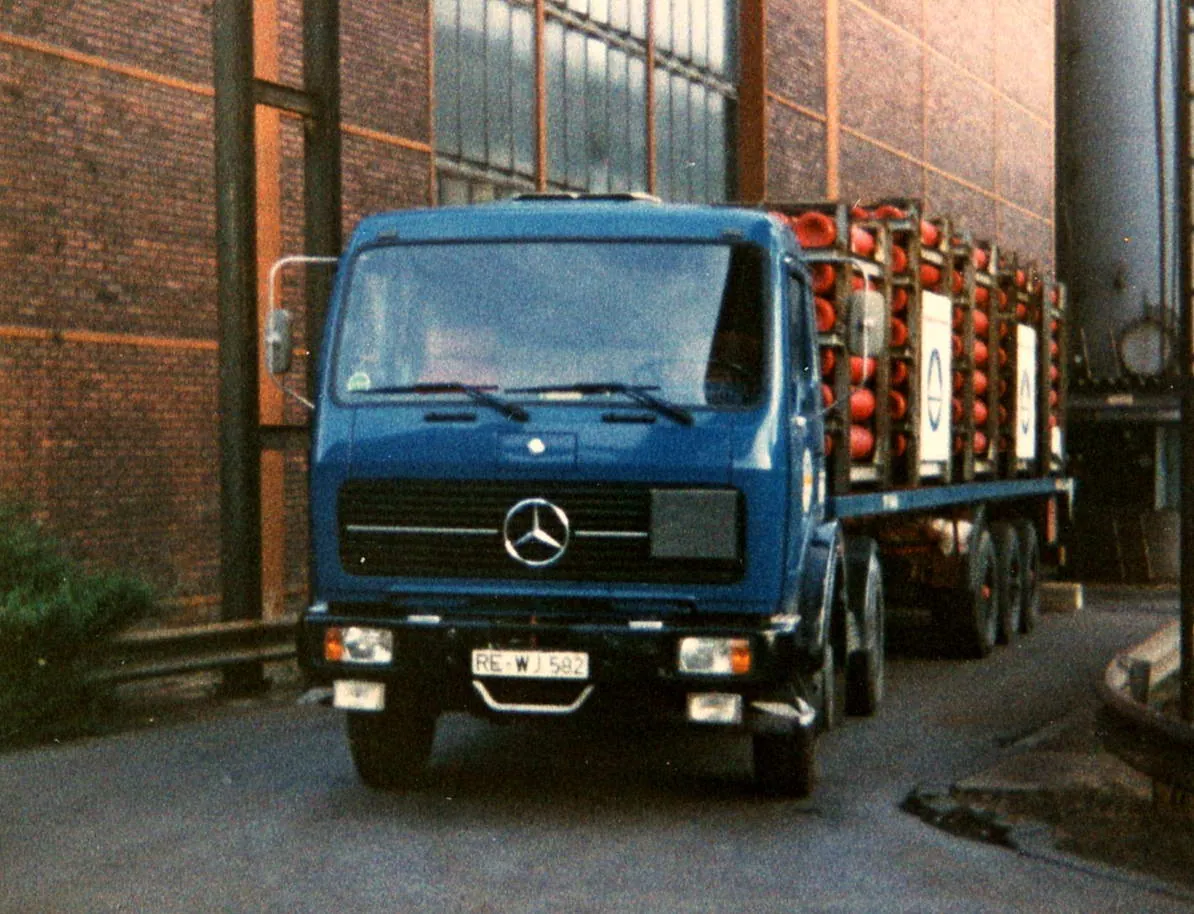
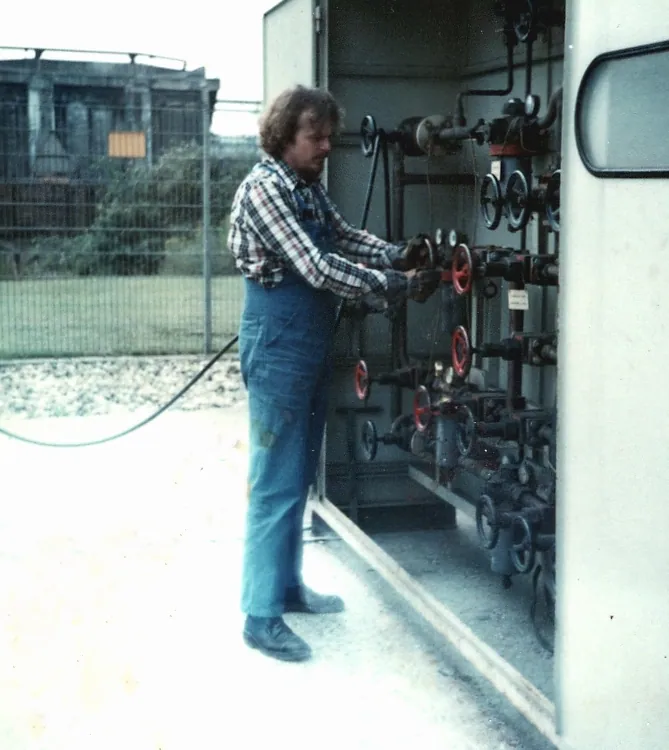
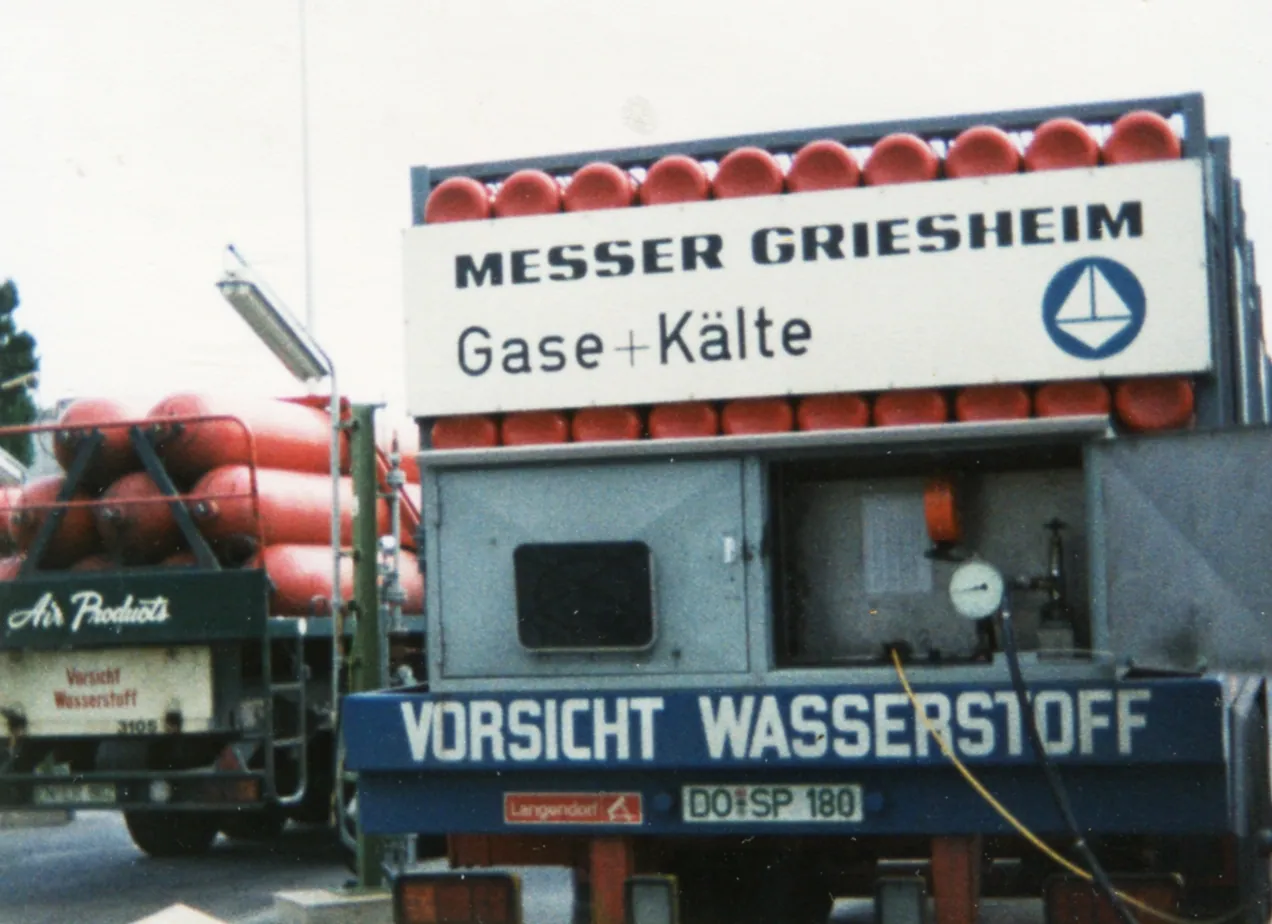
It was a great time at Jani Gastransport, with a wonderful working atmosphere and always new vehicles.
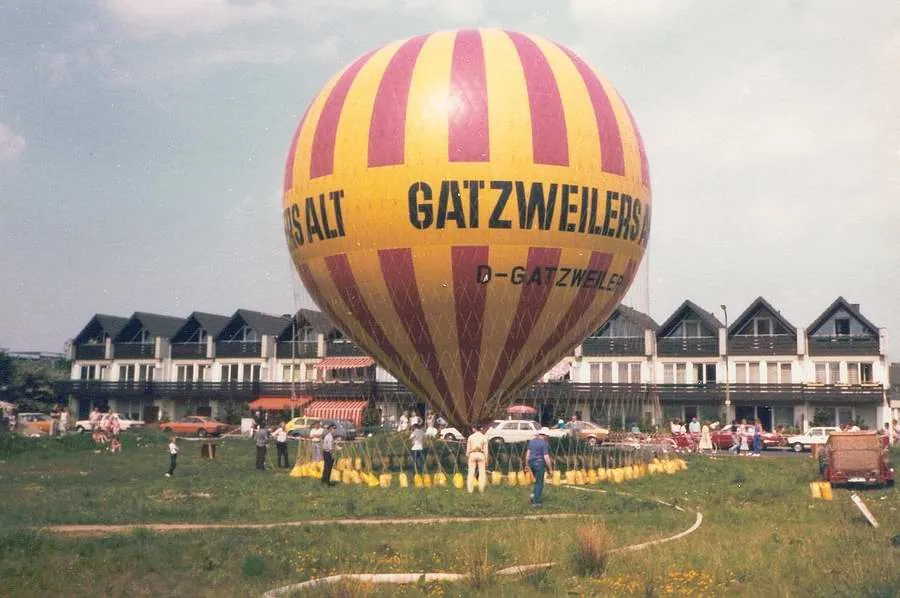
At some point, I think in 1985/86, we received brand-new Scania tractor units. Weeks earlier the company had lent us a demonstrator for us to test. It was like night and day, and everyone wanted to drive it on their shift. Small steering wheel, air conditioning, air-suspension seats, more horsepower and really good equipment, nothing like the bread-and-butter Mercedes. That's how it was back then; no manufacturer could afford that today.
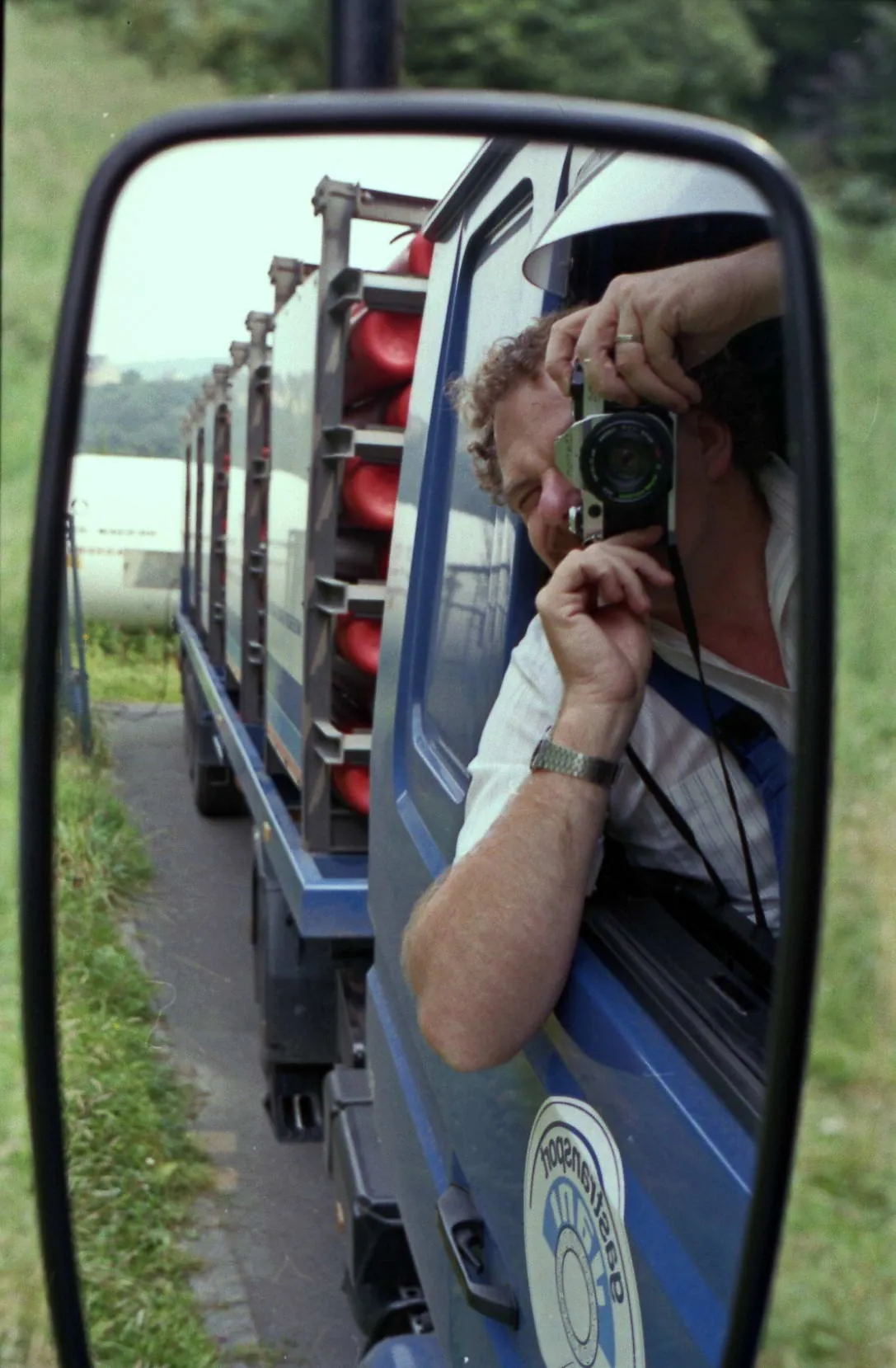
I usually had my camera with me. It was my first SLR, a Canon AE-1 Program at the time.
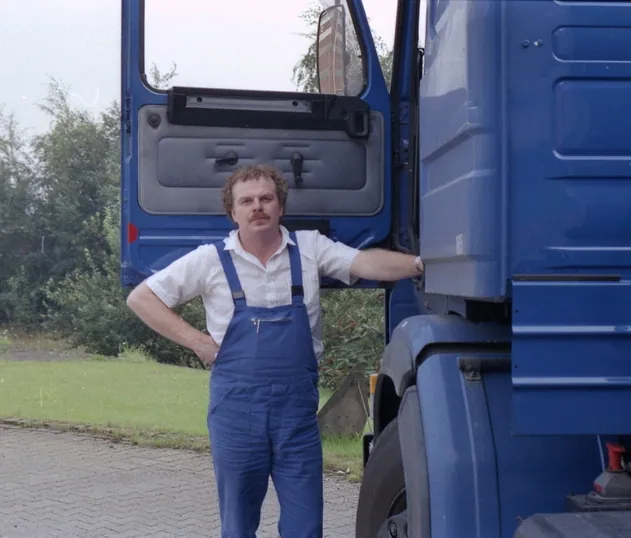
Our fleet was equipped with six new Scania 112 M, and they were really great.
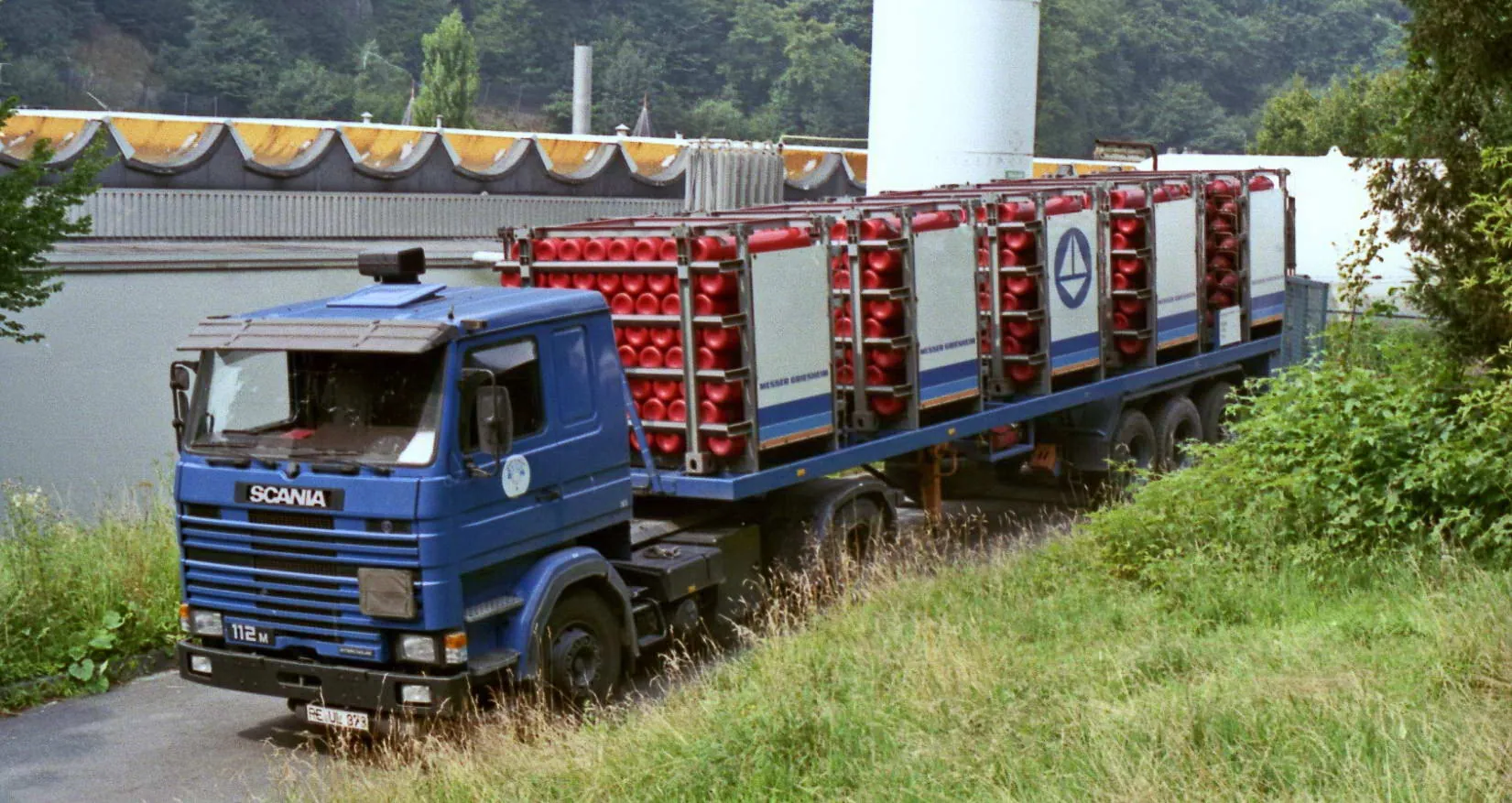
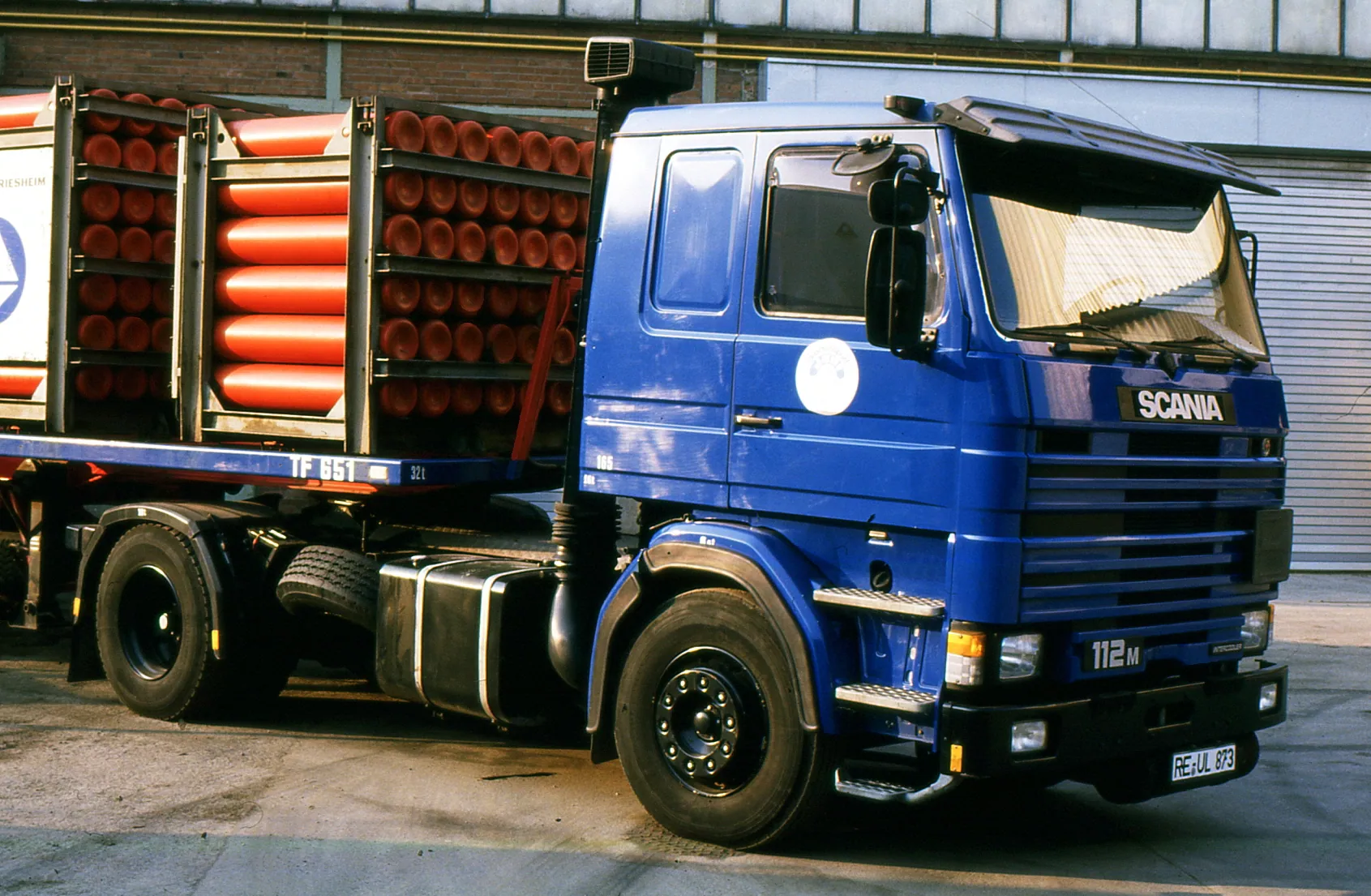
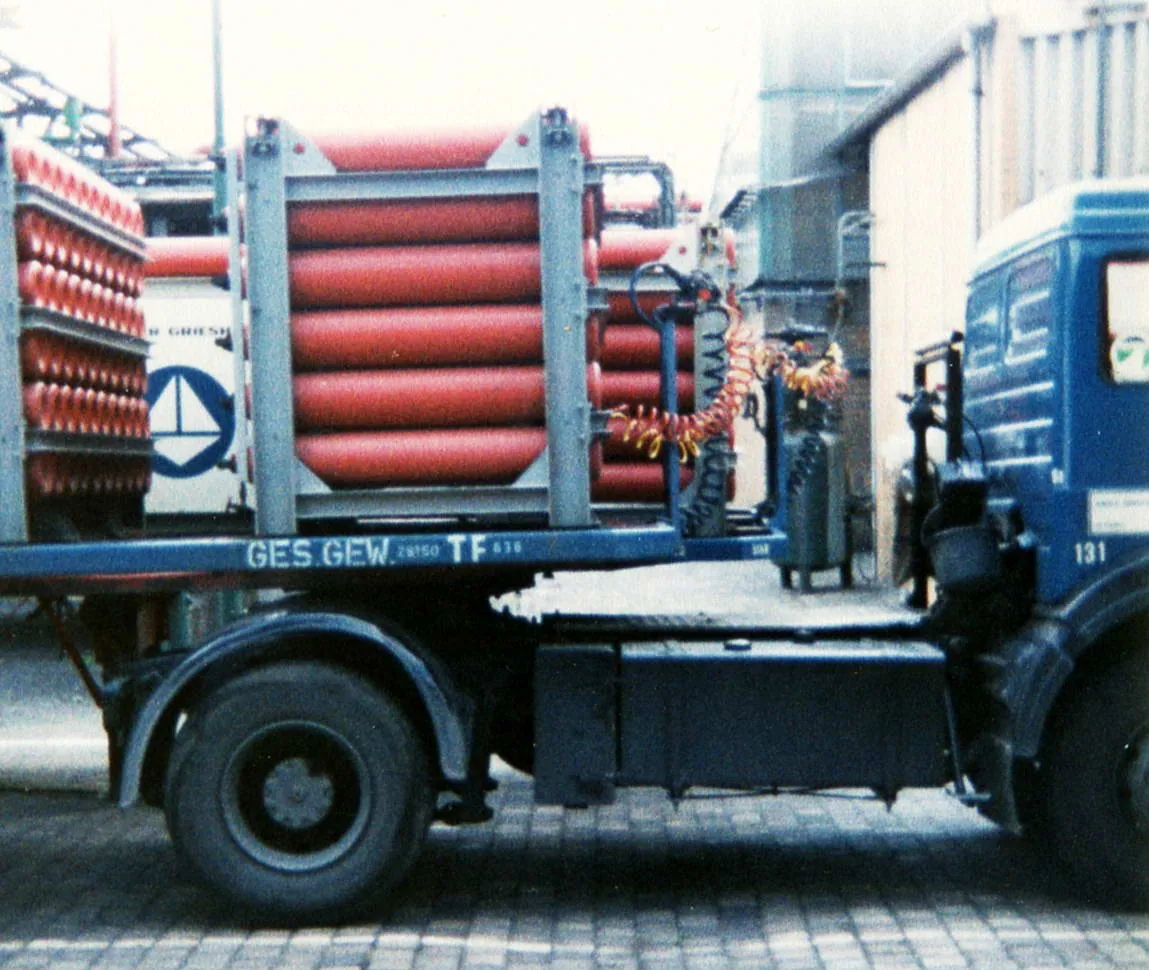
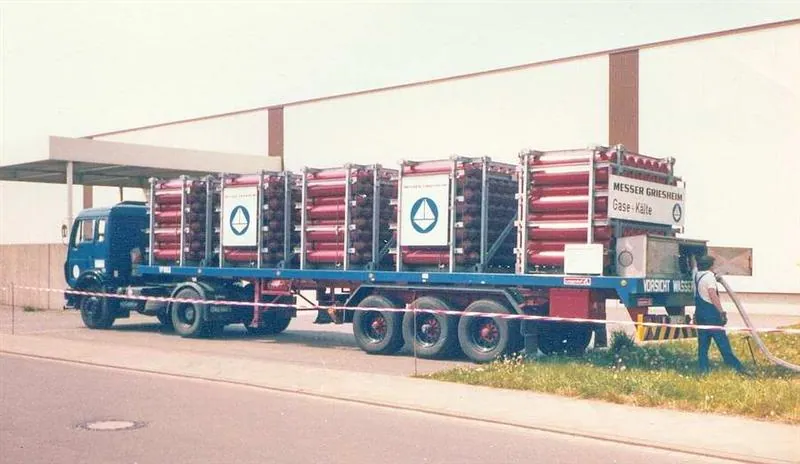
Hydrogen is an industrial gas with a purity of 99.9 %. It has no smell, no taste and is highly explosive. A flame is barely visible in daylight and can only be made visible by holding something combustible in it. The Langendorf hydrogen trailers carried five bundles of gas cylinders, 340 cylinders in total, all connected to one another by pipework. The total content was 4,000 m³ of H2, the short form of hydrogen gas. We always ran at full load, 41 t; the H2 itself weighs only a few kilograms.
After ten years at Jani Gastransport, my truck driving came to an end in 1989. I wanted more free time, no more night shifts, and to spend the time gained on family and hobby.
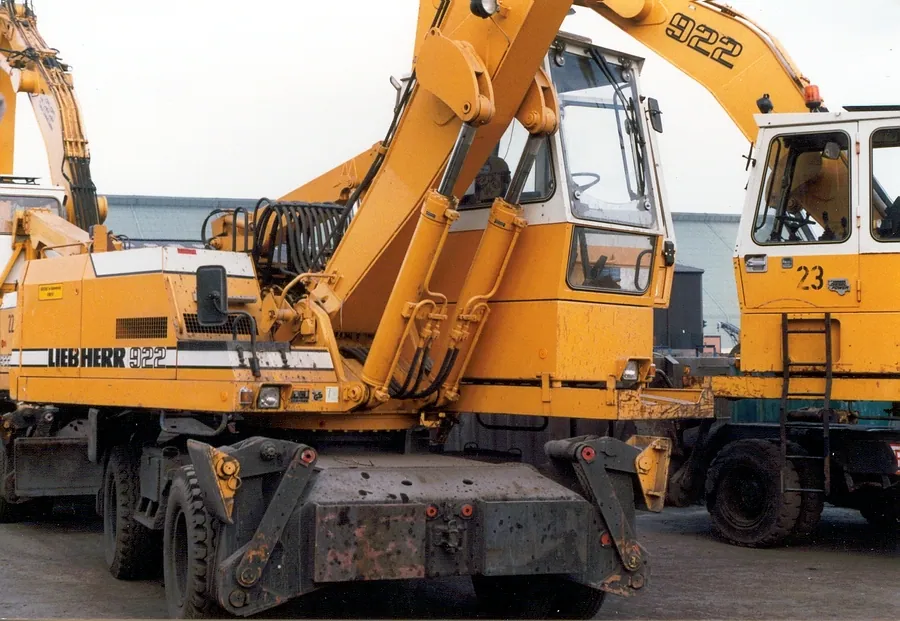
After Jani I started as an excavator operator at the Auguste Victoria colliery in Marl. In the meantime my family and I had moved from Marl to Haltern-Lippramsdorf, and it was only five minutes by car to my new workplace. The early shift ran from 6 a.m. to 2 p.m., and the afternoon shift from 2 p.m. to 10 p.m. Ideal hours for family and hobby. I was trained on the Liebherr 922 and did my job with it for a year.
One day, while I was having breakfast, Revell came knocking, or to be precise I got a phone call from the then board member H.U. Remfert. He asked whether I could imagine working at Revell as a product developer. After a short time to think it over and a talk with my wife, I called him back and said yes. More on this on the page about Revell.
At this point I jump ahead to 2003, because that was the year I climbed back into a truck cab. Revell and my self-employment were history; from now on the kilometres were rolling by again. After a year of unemployment I had to stand in at a company for a driver who had to hand in his licence for four weeks for drink-driving. Luckily for me, he no longer wanted to drive a truck after that, so I kept the job.
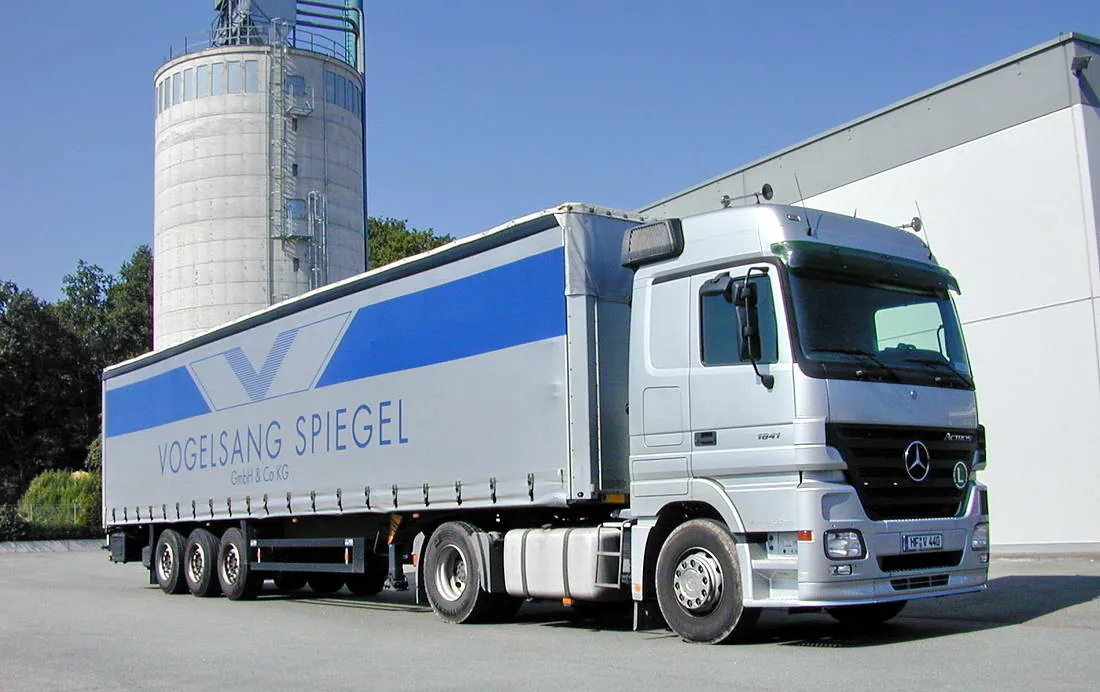
For 13 years I was able to drive this Actros 1841 MP2 with a Schmitz trailer for Vogelsang in Löhne. It was a MegaSpace with a single cab, meaning there was no regular passenger seat in the cab, just a comfortable armchair in the right-hand corner. I carried glass and mirrors to customers in the furniture industry in East Westphalia. I was a solo driver with pleasant working hours and a wonderful working atmosphere. I looked after maintenance, care and the TÜV inspection, and since I held a forklift licence, loading the semi-trailer every day was my job too. In autumn 2018 it was over and I retired. I still help out now and then, though. In spring 2021 I was even able to collect a new-generation Actros 1845 with automatic transmission from a Mercedes dealer in Recklinghausen. An Actros at its finest.