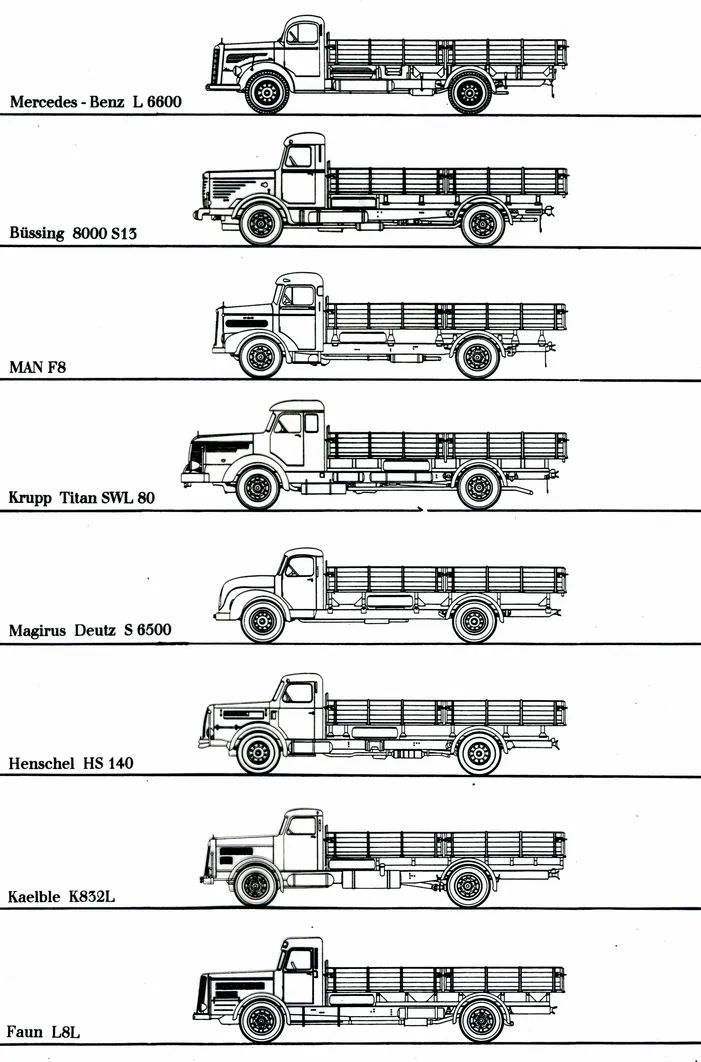
At the end of 1995, Revell had the idea of putting something completely new on wheels: old trucks in kit form. But how and with what should we start? I myself had not worked for the company since the summer of 1995 and had gone freelance. The trigger for this project was customers who contacted Revell through specialist shops and their sales reps. The management in Bünde asked me to work out a concept for a series of vintage trucks, a task I was of course very happy to take on. So I did my research and found a number of vehicles that shaped the look of the economic miracle years in the 1950s.
Here they are, eight trucks just as they used to run on our roads. As for the order in which the models might be realised, I had already given it some thought. It had to be a Mercedes-Benz, because trucks of that brand are known all over the world and were part of our street scene in the 1950s. Revell's original idea of developing a common chassis for all types was something I quickly talked the management out of. Imagine a customer buys a Mercedes truck kit whose chassis and engine might still be reasonably accurate, but by the next kit at the latest he would notice that the Büssing or a MAN is made of exactly the same parts as the Mercedes, with only the cab looking typical of the brand. Revell would have made itself a laughing stock and, besides, I would not have done the development of such models. The people in charge rejected my suggestion to start with a Mercedes and preferred a Büssing 8000. Mercedes existed then and still does today, so it would certainly have made more sense from a marketing point of view, since Büssing had long since disappeared; the brand was taken over by MAN in 1971.
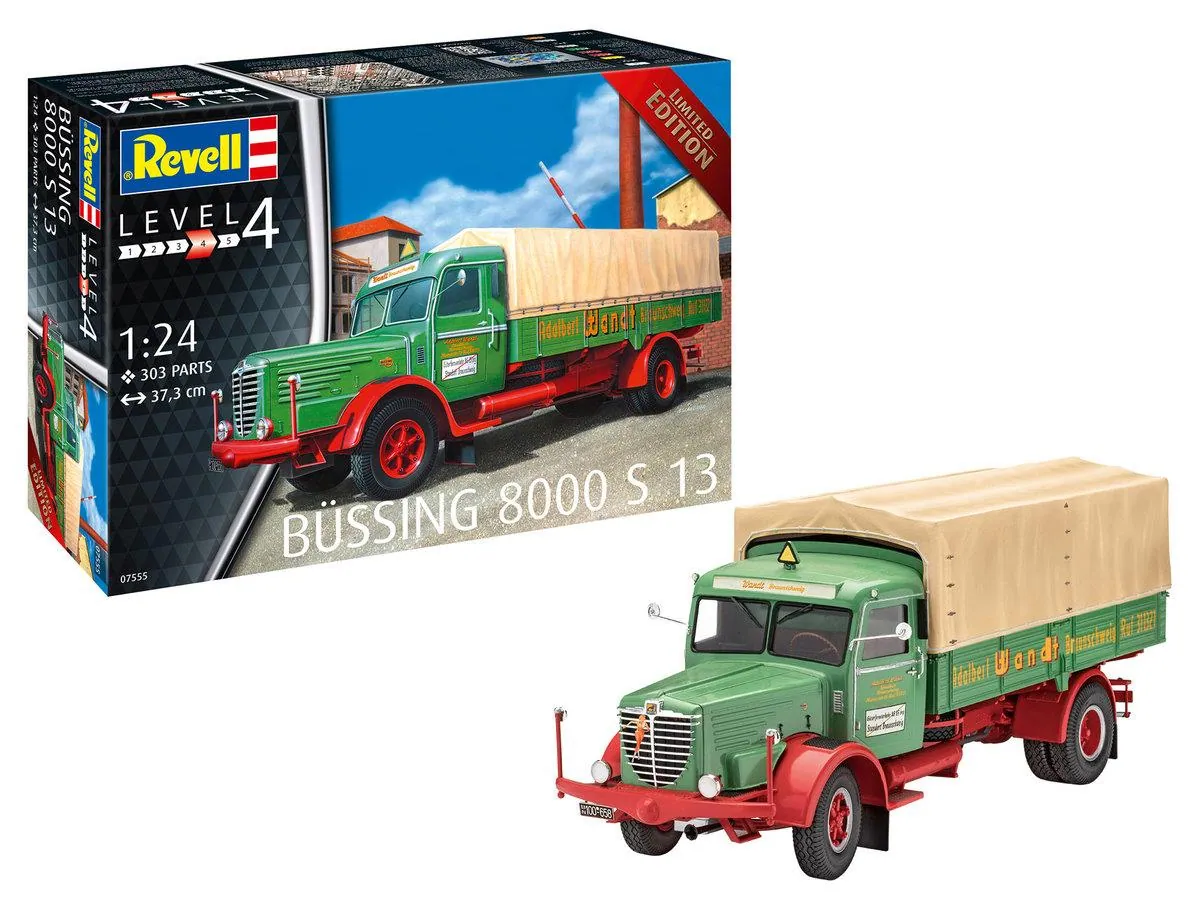
So I set about developing a Büssing 8000 in 1:24 scale as an 8-ton platform truck. In 1996 I had suggested to Revell that all truck models be developed as a modular system, i.e. platform and tarpaulin fit all chassis, and the Trilex wheels with tyres were to belong to every truck as well. I got the green light for this because the concept saves costs. The search for a Büssing 8000 chassis and the matching engine, plus preparing all the drawings for the toolmakers, took eight months.
At that time there was still the Büssing Veterans Club in Braunschweig, led by Michael Stefan, who sadly died very young. In the halls of the former Büssing works he restored everything connected with Büssing, and I visited him to get construction drawings of the 8000. In one of the many rooms the original drawings were stacked up to the ceiling, but he did not want to give away a single one.
He told me it would take him days to dig out all the drawings I needed for my work, and he did not want to do that. He was a bit difficult, and it took quite a while before I really warmed to him. It was awful for me to know that everything needed to develop a perfect model was there, but that I could not get at it. What to do?
I remembered Helmut Hoffmann in Oberhausen, a man very well known in the classic truck scene and a genius at restoration. I got in touch with him and explained what I was after. He was a little sceptical at first, but bit by bit I was allowed to look around his hallowed halls for anything to do with the Büssing 8000. And I did find what I was looking for: in one hall there was an original chassis, in another hall the matching axles, and during my stay with Helmut I found other important parts as well. In time we became friends and then everything went like clockwork. Incidentally, in 2005 I also bought from him, on commission, the articulated truck that I was allowed to drive for 13 years for the company Vogelsang. You can read about it above under – About me – Driving trucks.
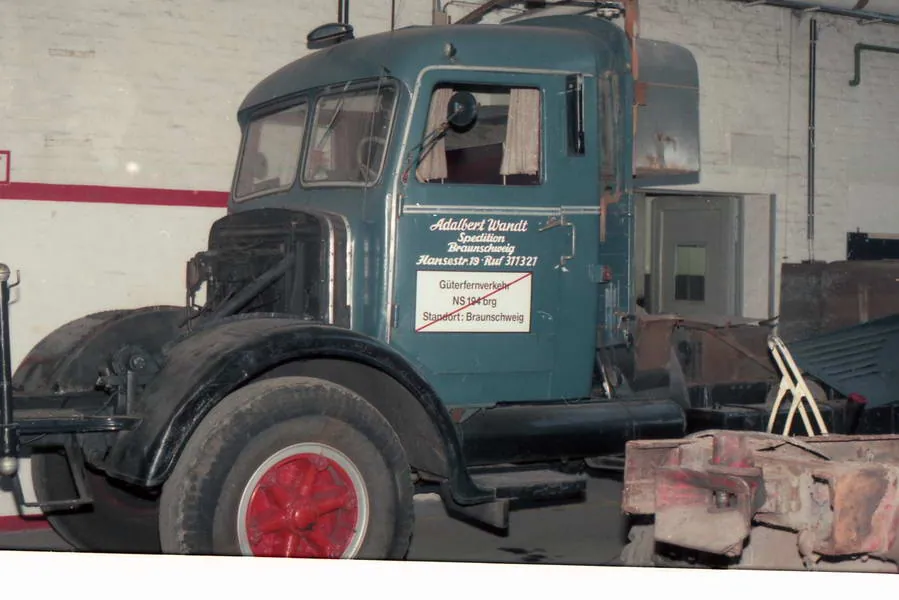
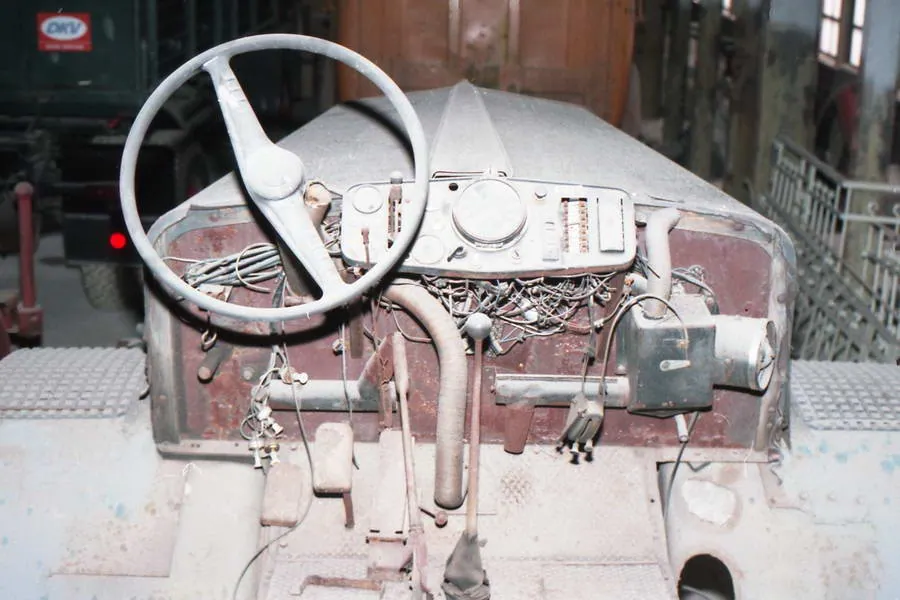
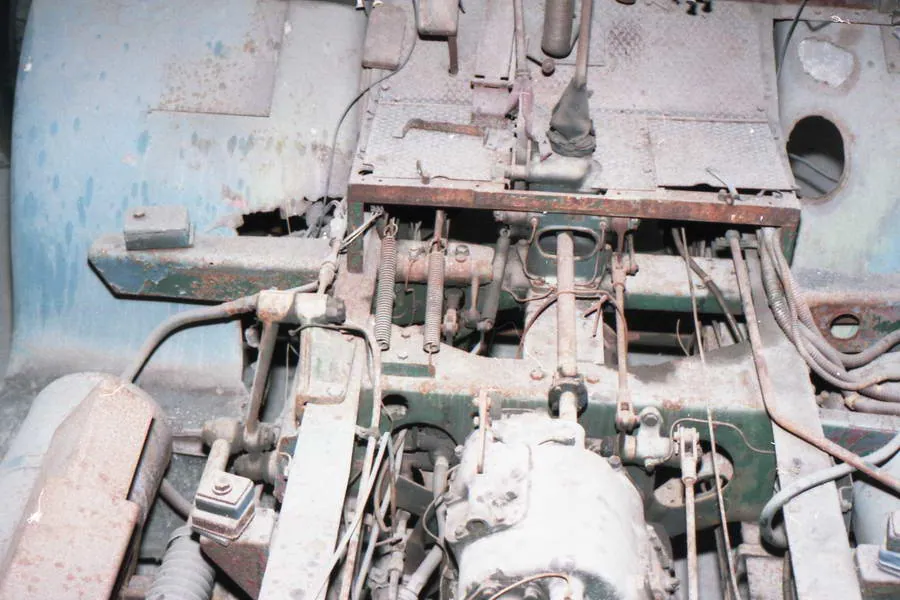
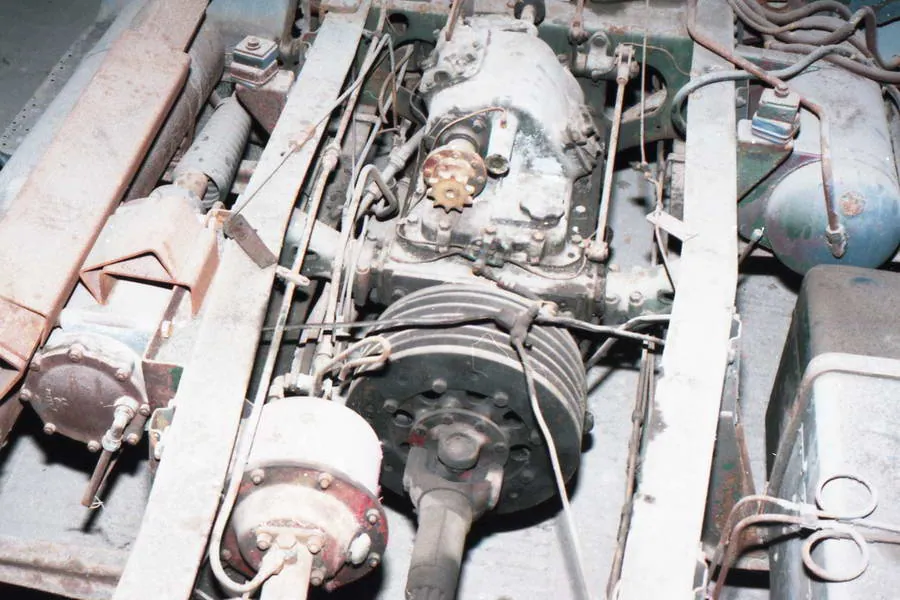
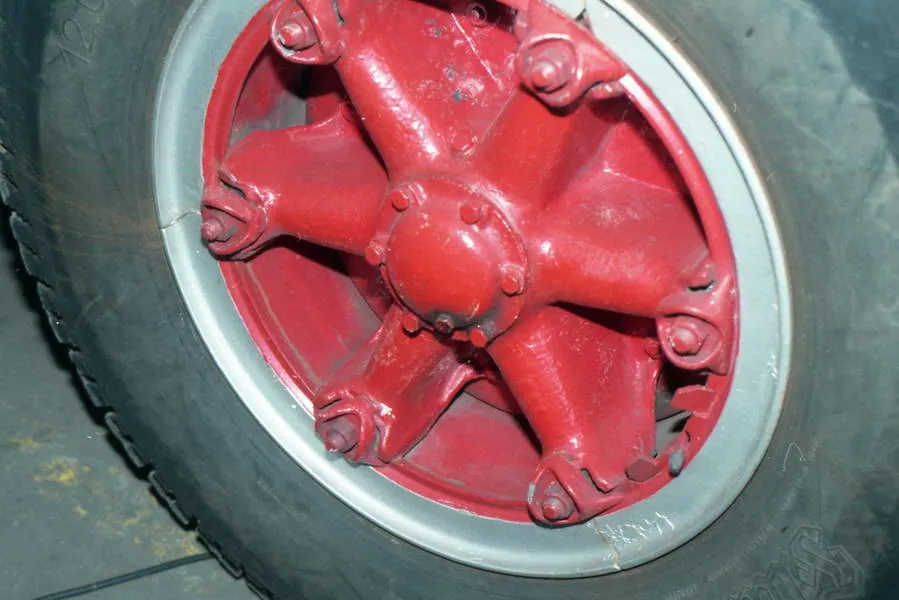
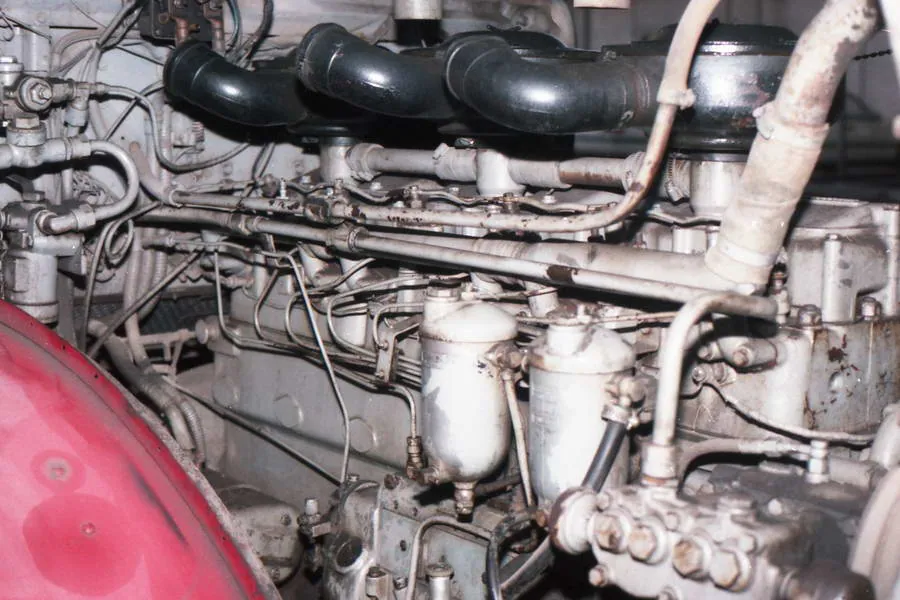
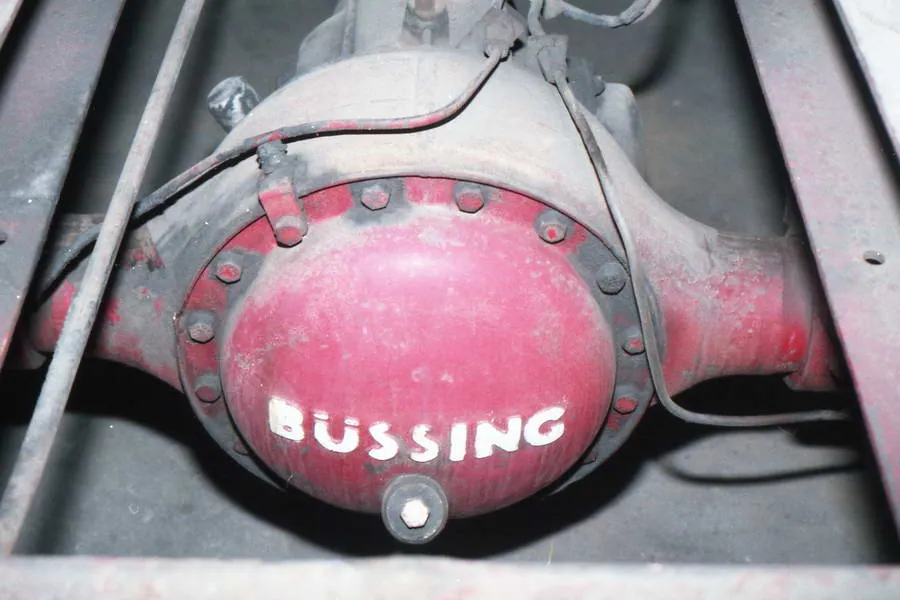
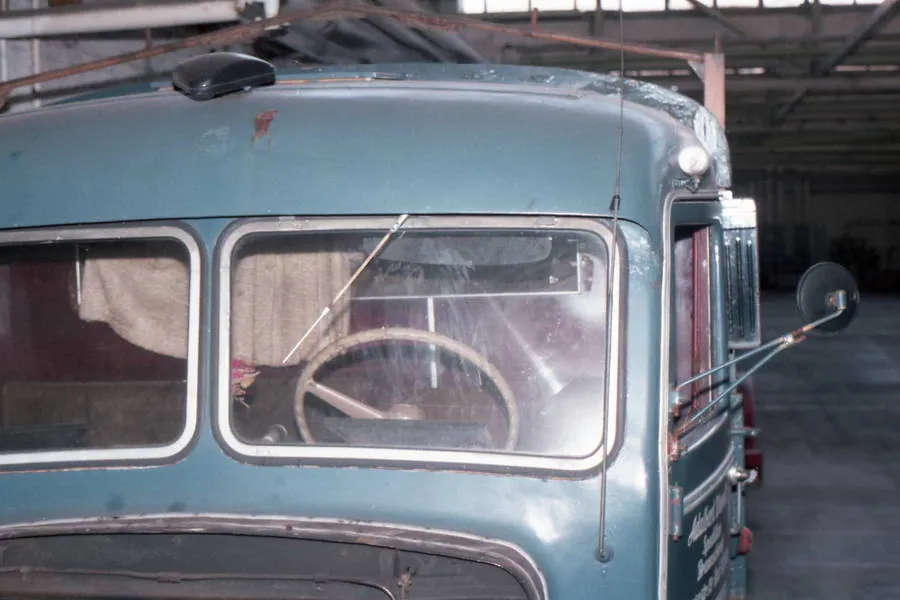
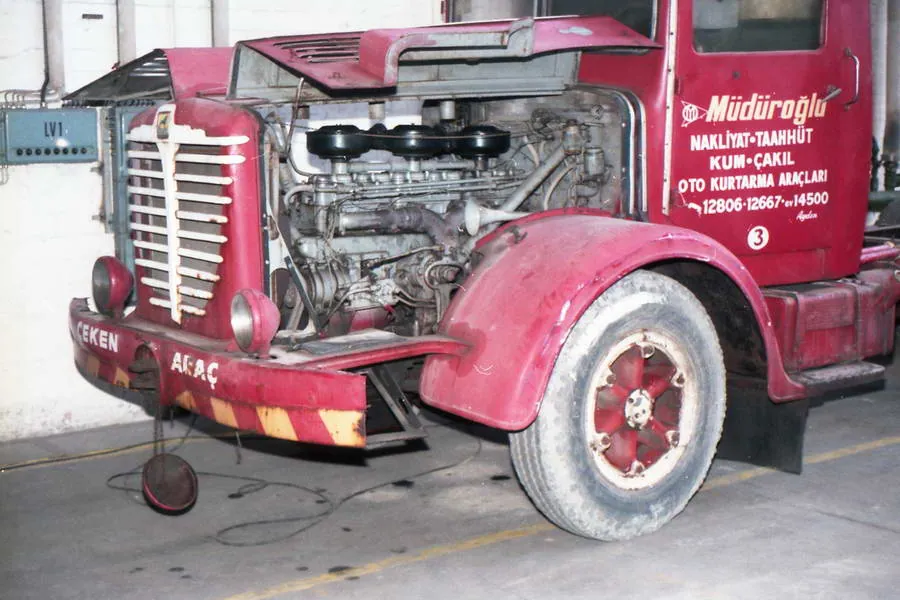
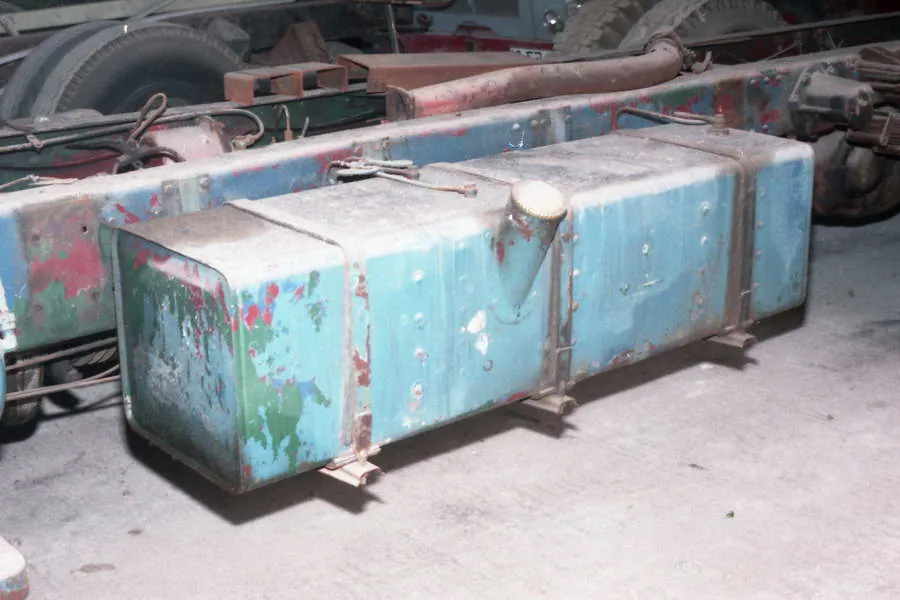
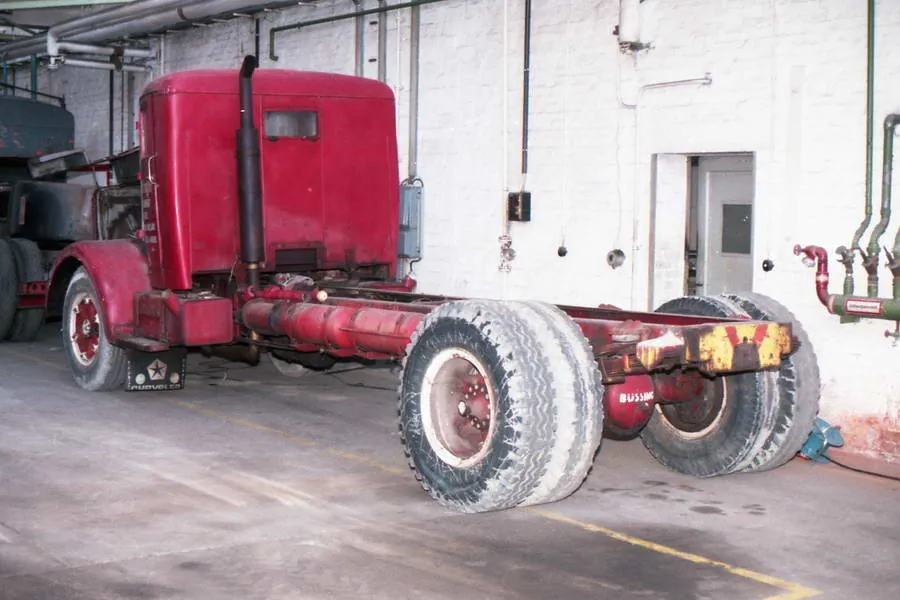
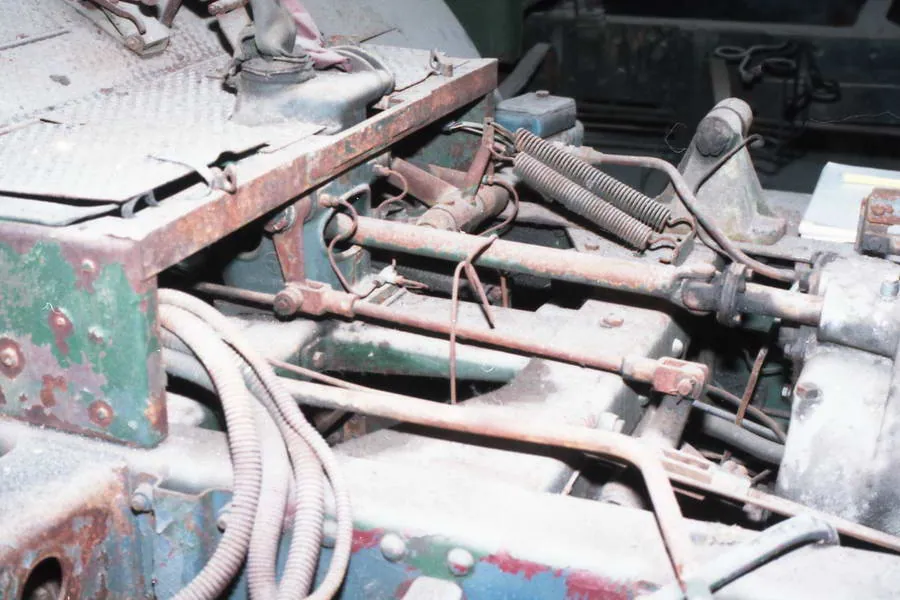
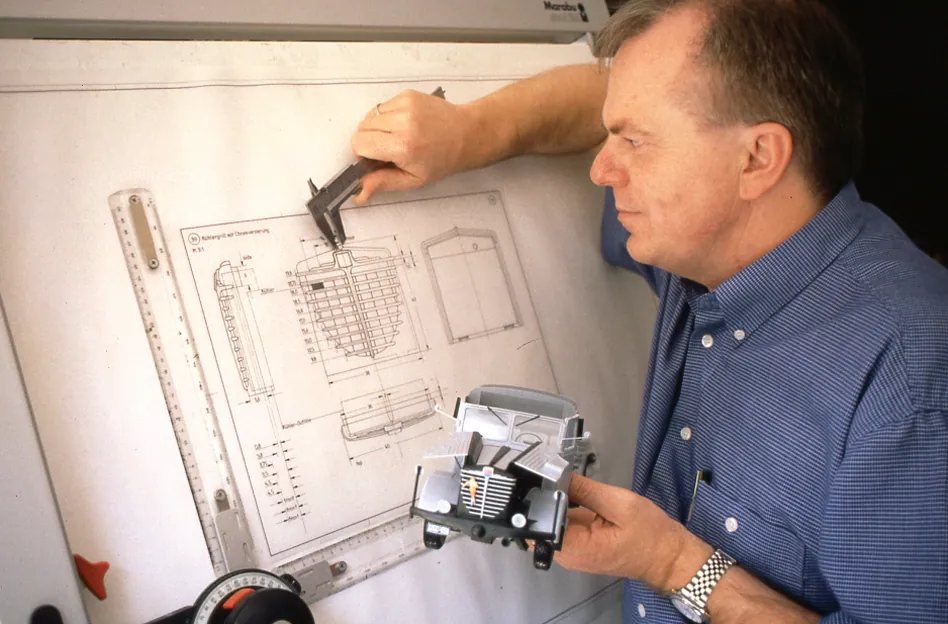
Here is a small selection from the hundreds of pictures I took at Helmut Hoffmann's and Michael Stefan's. With the help of these photos and the countless dimensioned sketches I had taken of the Büssing parts such as cab, chassis, axles and engine, I produced completely new technical drawings for the toolmakers. Research and drawing took eight months in all, then everything went to the Danish company Heljan, which developed the Büssing as a CAD project.
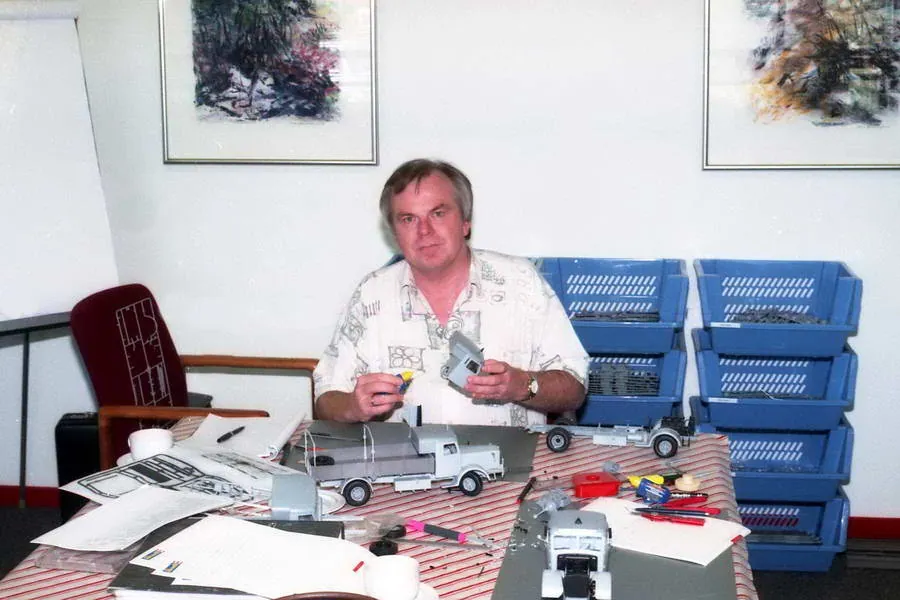
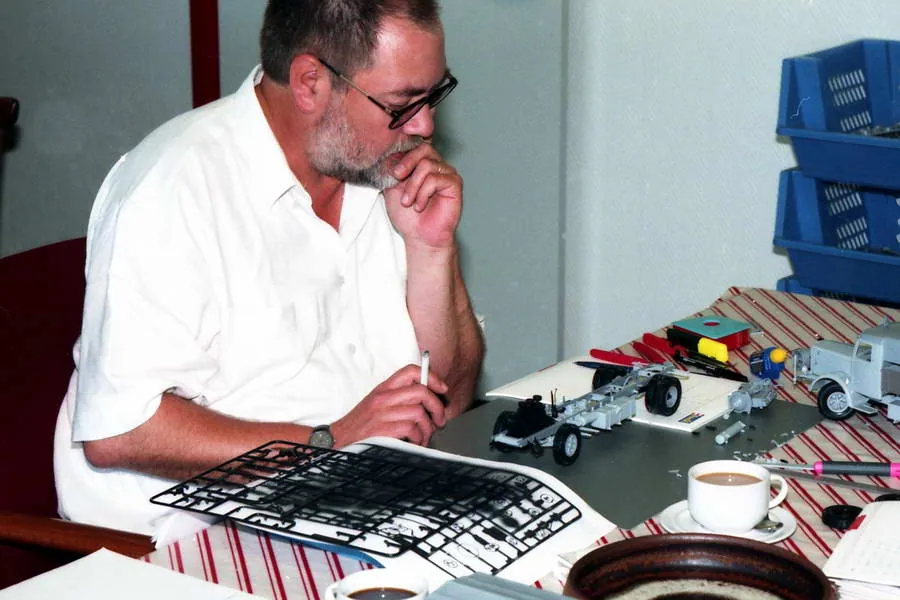
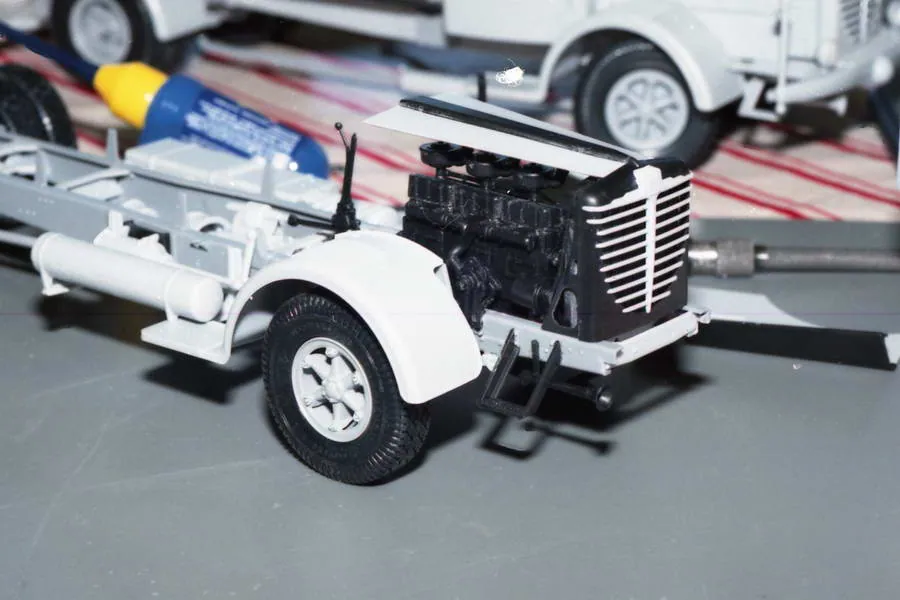
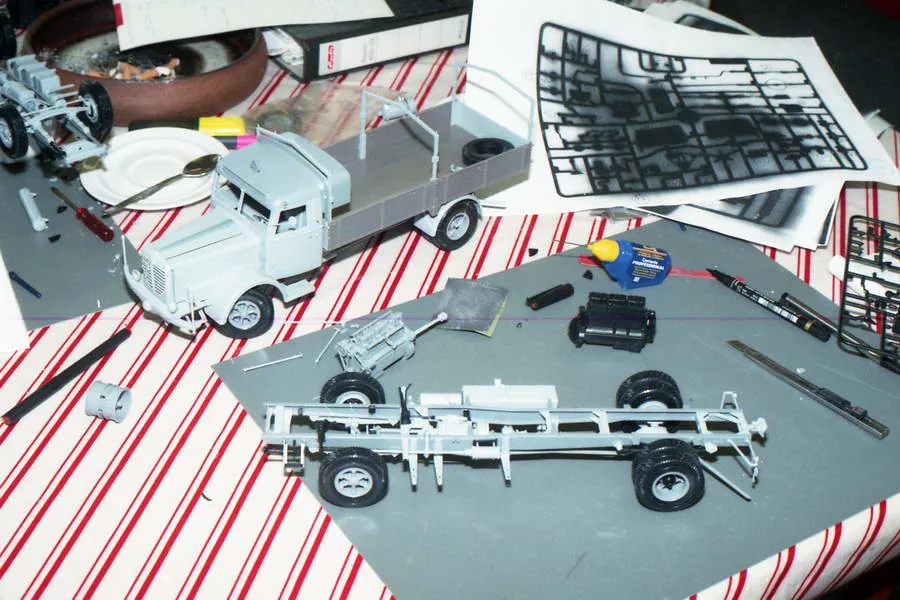
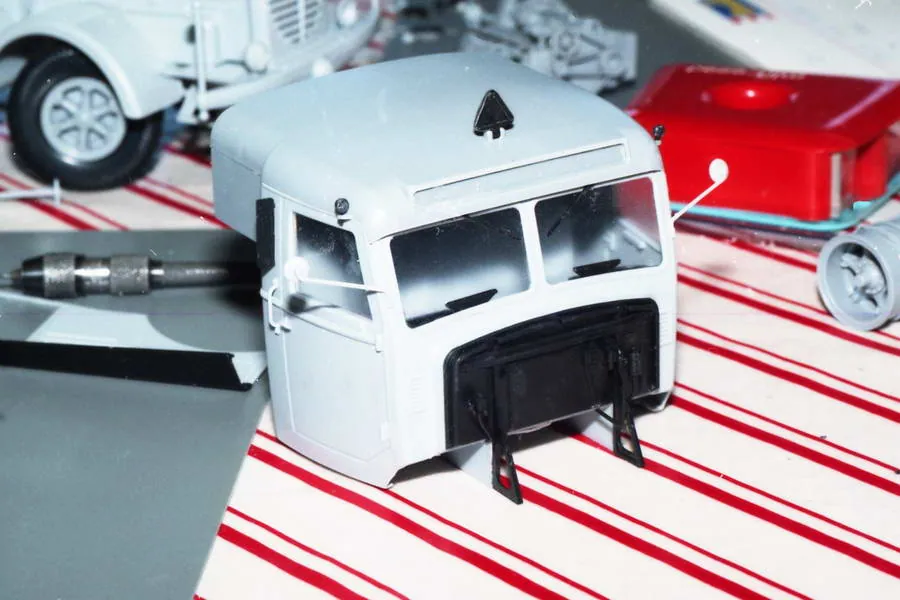
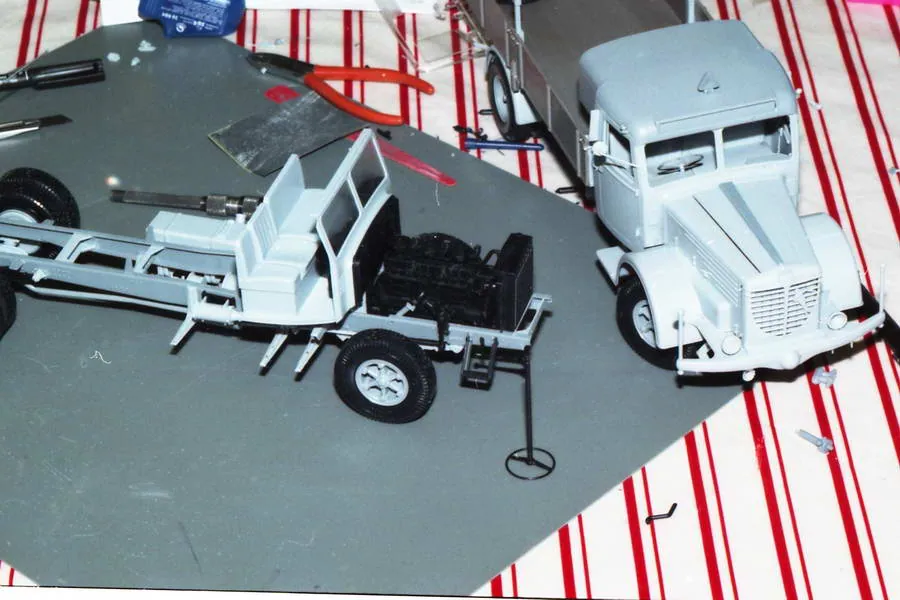
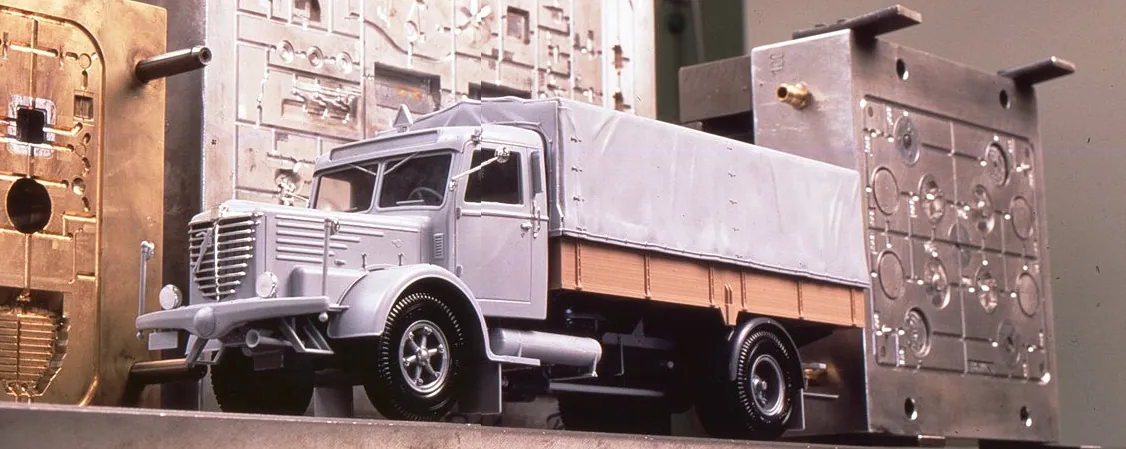
Part by part was cut from the black and grey sprues, examined and then assembled into a complete model. At that point there were of course no building instructions yet, so the logical sequence was noted down as we went. All changes that still had to be made to certain parts were recorded in great detail. At the same time we also assigned the part numbers.
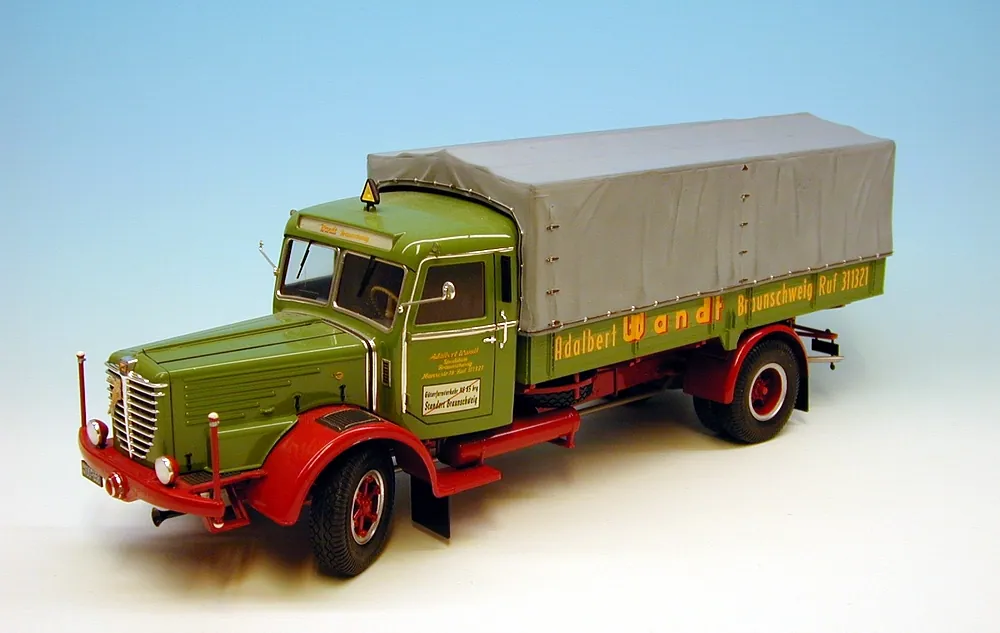
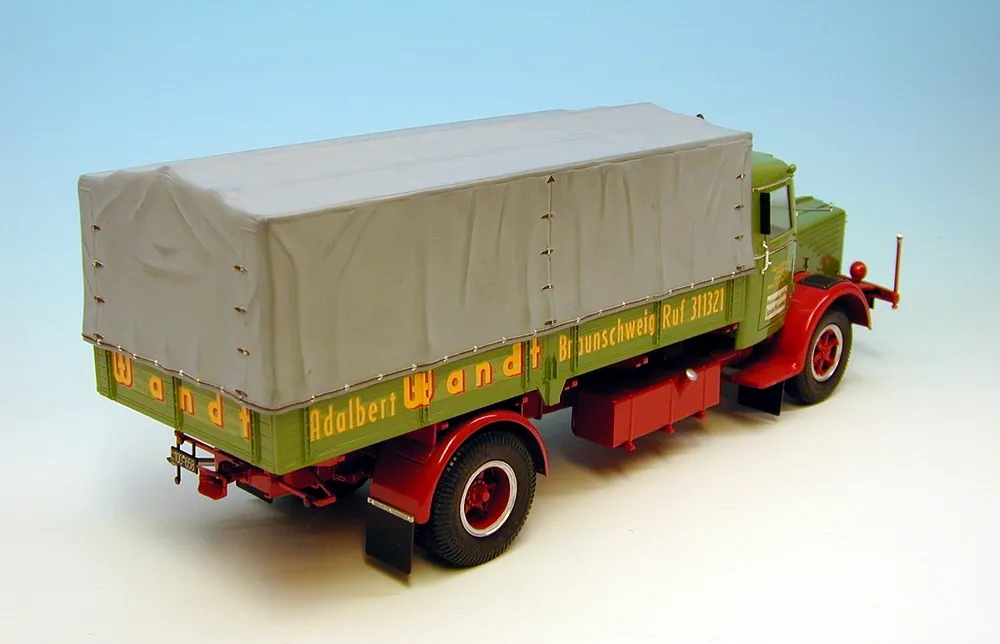
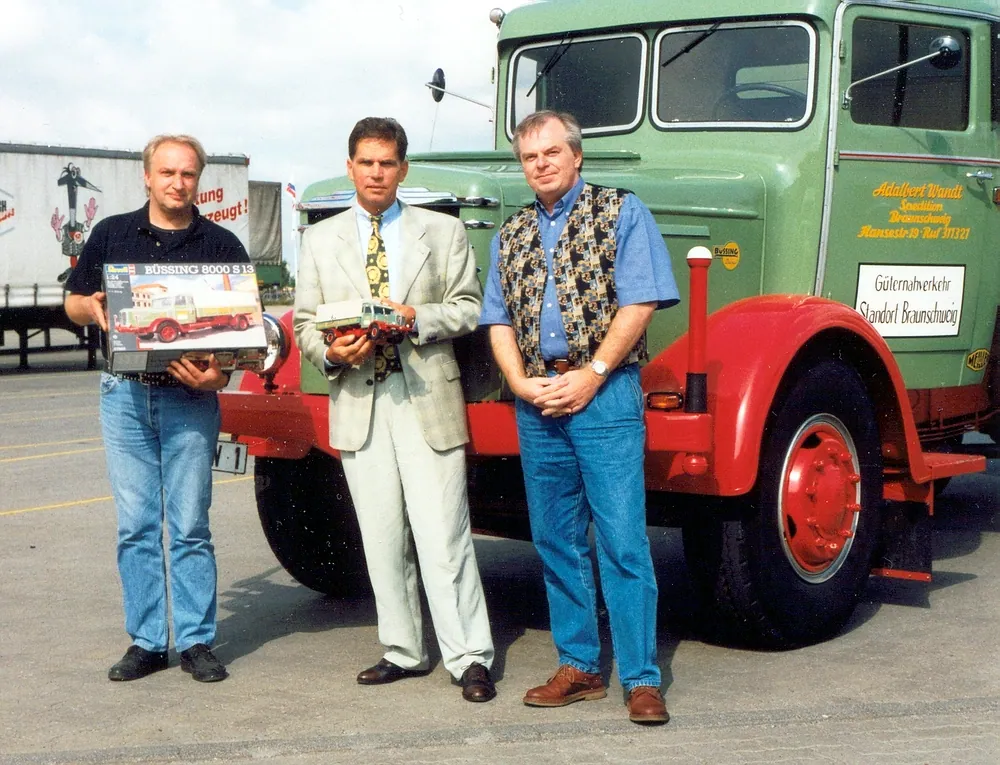
On 3 September 1997 I then had the pleasure of handing Michael Stefan and Gerhard Wandt several kits as well as a finished model of the Büssing 8000. That is where the development of Revell's first vintage truck in kit form ends. Next up was the Krupp Titan SWL 80.